

Building & electricity needs
Roof space, building use, consumption patterns and future requirements provide the basis for planning.
Individually planned. Connected by design.
KSPH plans complete energy systems. We match your solar installation to your building, electricity use, a potential heat pump, storage and future energy needs.
The complete picture
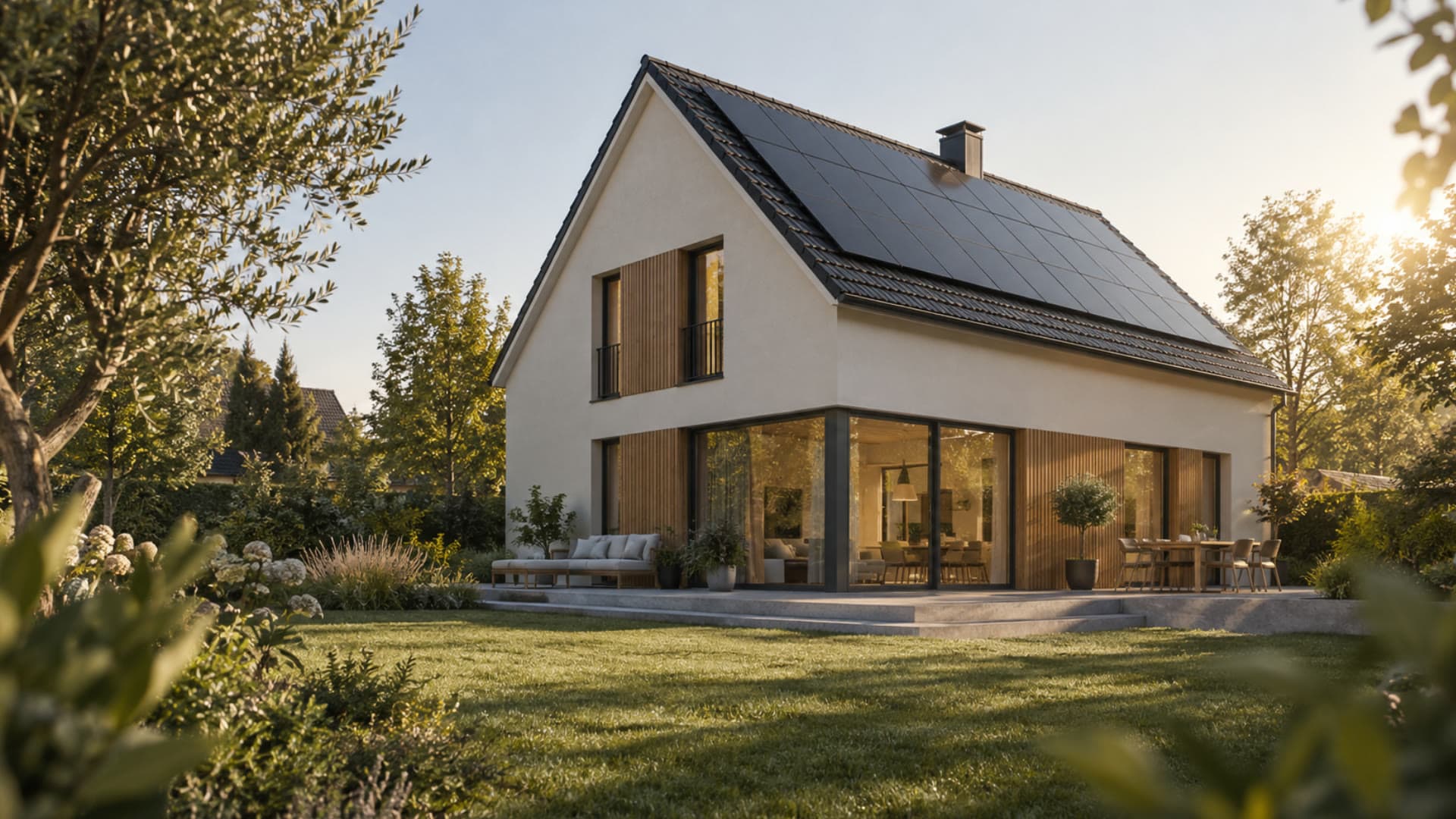
Your building and electricity needs come first. We then coordinate generation, potential storage and consumption. Energy management brings these elements together in operation.
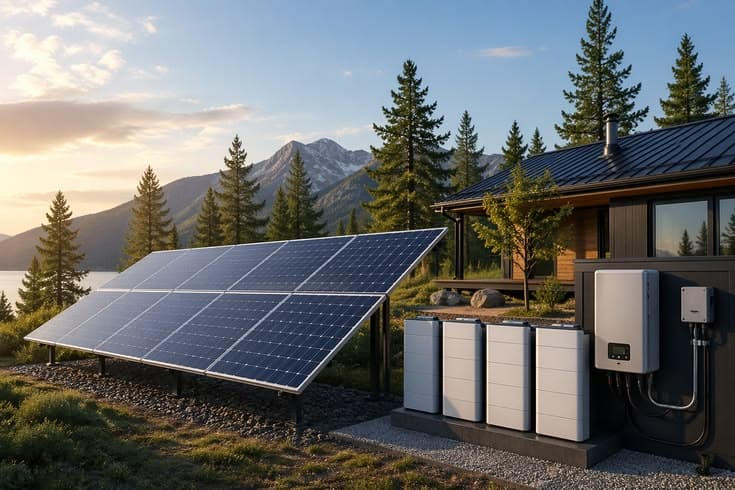
Roof space, building use, consumption patterns and future requirements provide the basis for planning.
Generation is planned around available roof space, orientation and electricity needs.
We assess whether storing some solar electricity for later use makes sense.
If one is planned, we account for its electricity demand and operating times.
Generation, storage and controllable equipment are coordinated.
These elements illustrate the planning relationships, not an electrical circuit. The individual assessment determines which components are appropriate.
What we plan
We consider technical options alongside the economics of the project. Individual components become a coordinated concept for your building.

Account for roof space, orientation, shading and existing building systems.
Review current consumption, daily routines and future electrical loads together.
Match potential generation with actual needs to develop an appropriate system design.
Assess whether storage makes sense and what capacity fits your consumption patterns.
Account for heating needs and additional electricity demand when a heat pump is part of the project.
Prepare the coordination of generation, storage and controllable equipment.
Understanding self-consumption
Planning involves more than the amount of electricity generated. When solar electricity is available and when your building needs it matter too.

When generation and demand coincide, solar electricity can be used directly in the building.
Suitable controllable equipment can be aligned with solar generation, within its operating requirements.
Appropriately sized storage can save some surplus electricity for later demand.
The electricity grid remains part of the assessment: generation and demand do not always coincide.
Photovoltaics + battery storage
A battery can store some of the electricity generated and release it later. We assess its value based on your building and consumption habits.
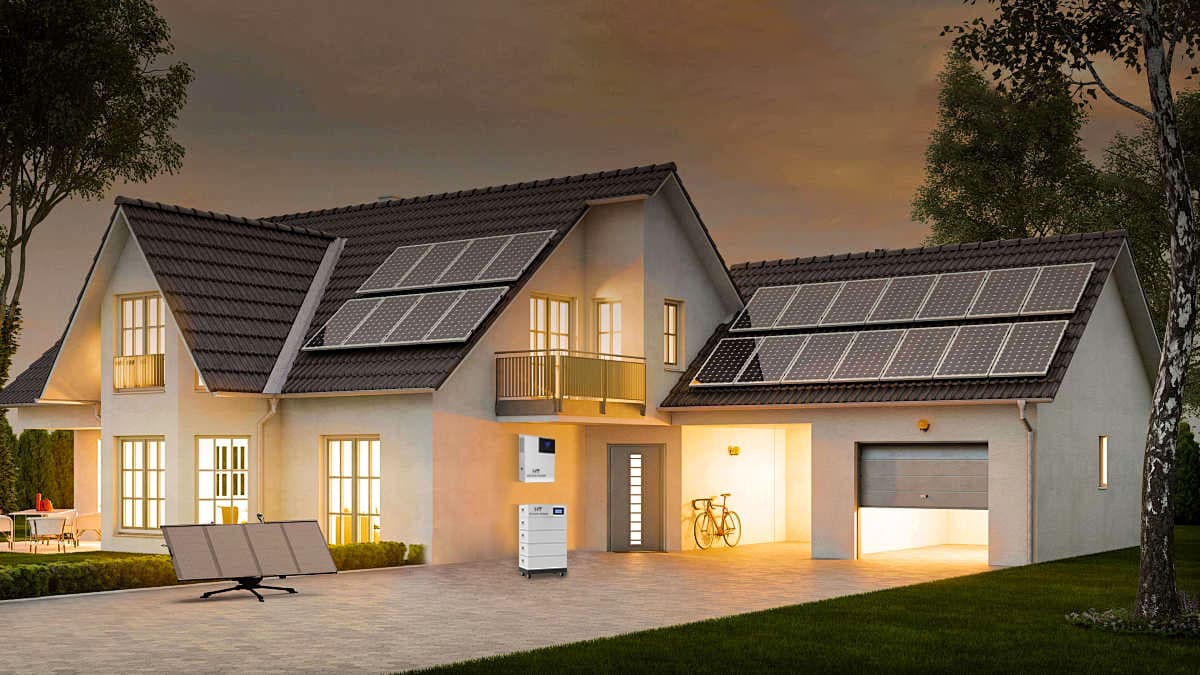
Storage is not a default requirement. A system without a battery is also considered.
Connecting electricity and heat
A heat pump changes a building’s electricity needs. If it is part of your project, we consider photovoltaics, the heat pump, potential storage and energy management together.
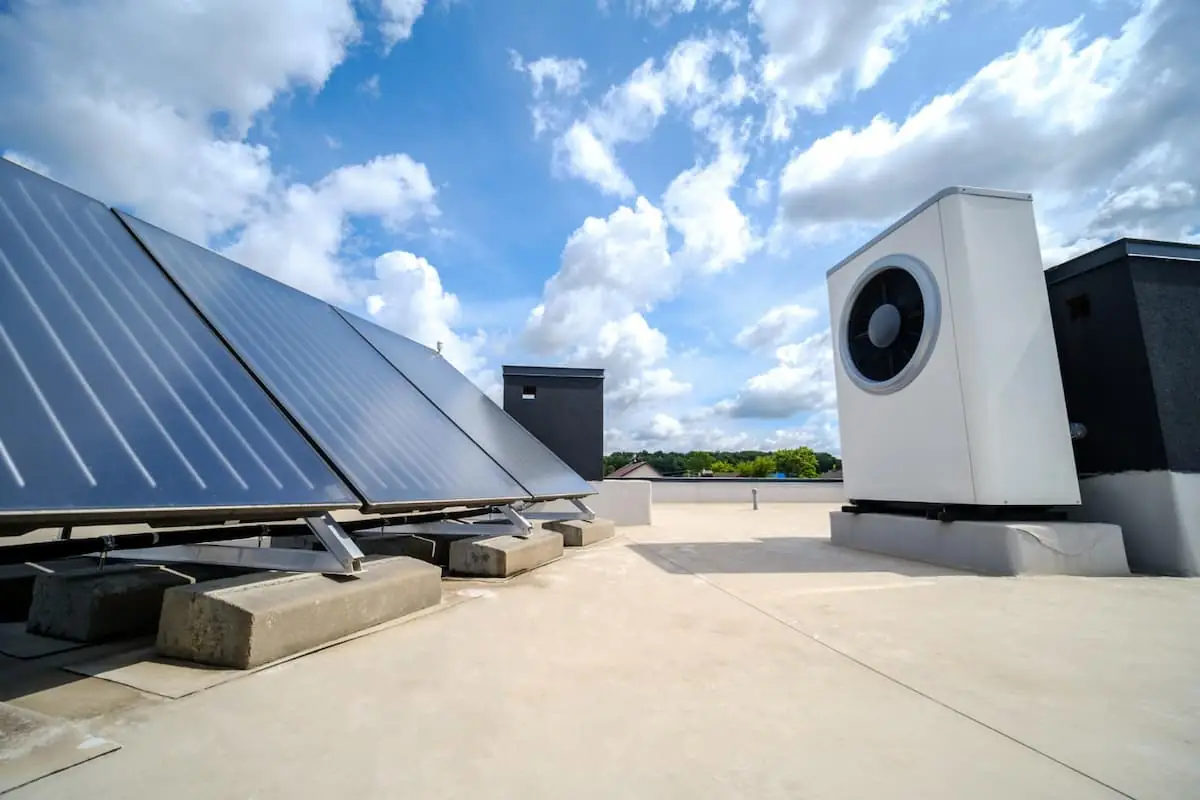
Solar generation and heating demand follow different seasonal patterns. The design does not assume that photovoltaics alone will power the heat pump all year round.
Discuss electricity and heating togetherFor your Römerberg or Speyer project, we look beyond the roof layout: when your building uses power, when your vehicle is home and which loads you plan to add. The first on-site consultation and assessment are free and without obligation.
A compatible charger can adjust charging to available solar power. We assess the vehicle, parking times, minimum charging power, phase switching and grid connection. Departure time and required charge come before an advertised self-sufficiency percentage.
Coordinate consumption and equipmentVariable procurement prices offer opportunities for flexible loads but also price risks. A suitable smart metering system and contract are required. Comparisons include network charges, taxes and other components of the final electricity price.
Read the Bundesnetzagentur guidanceAn EMS coordinates PV, battery, heat pump and EV charger within their operating limits. Interfaces, measurement points, user priorities and any grid control are checked before selection. Not every device supports every function.
Explore energy management planningDifferent buildings, different needs
Building use, size and consumption patterns guide the design. We assess specialised solutions as part of each individual project.
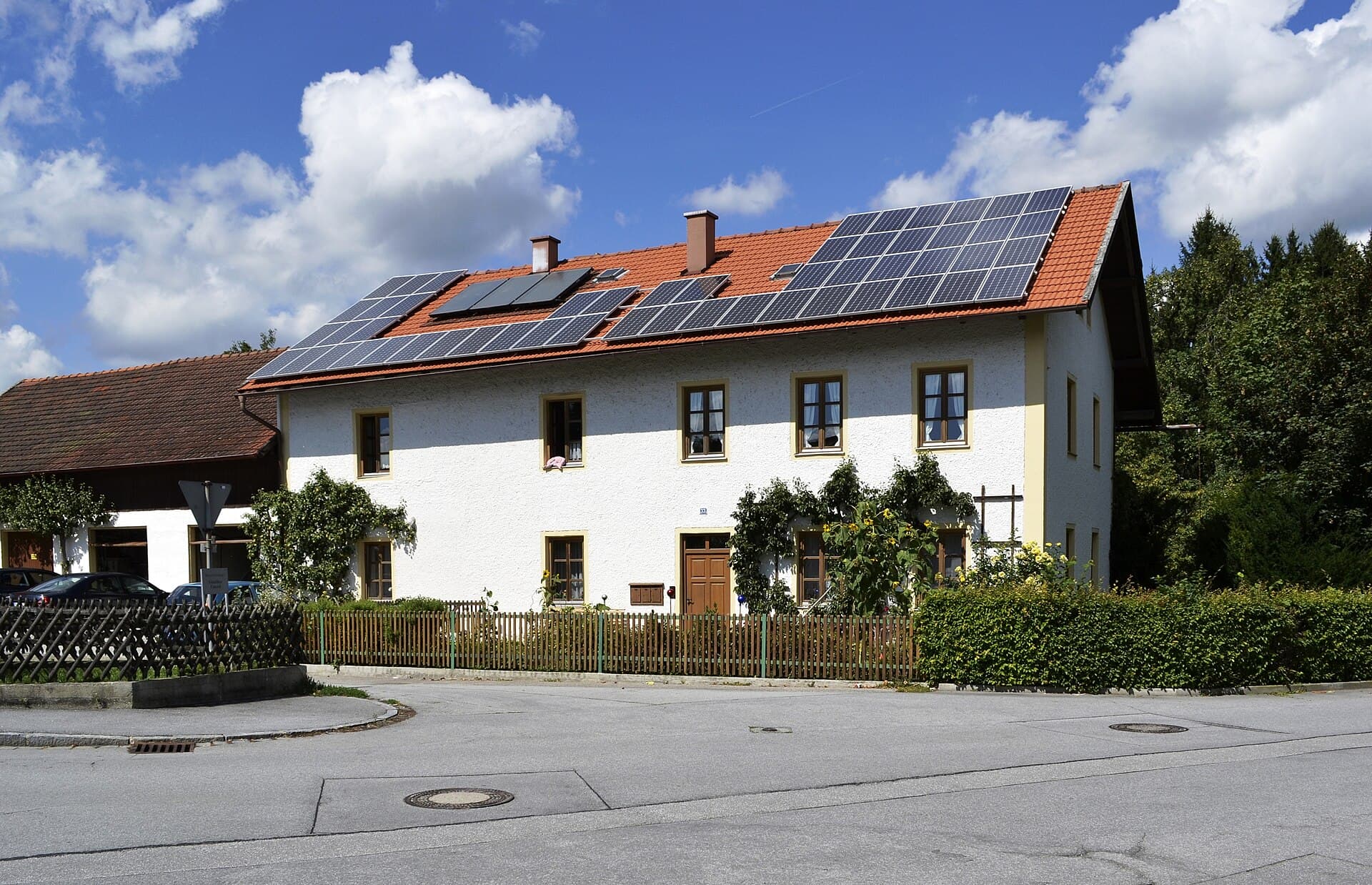
Consider household electricity, individual routines and a potential heat pump together.
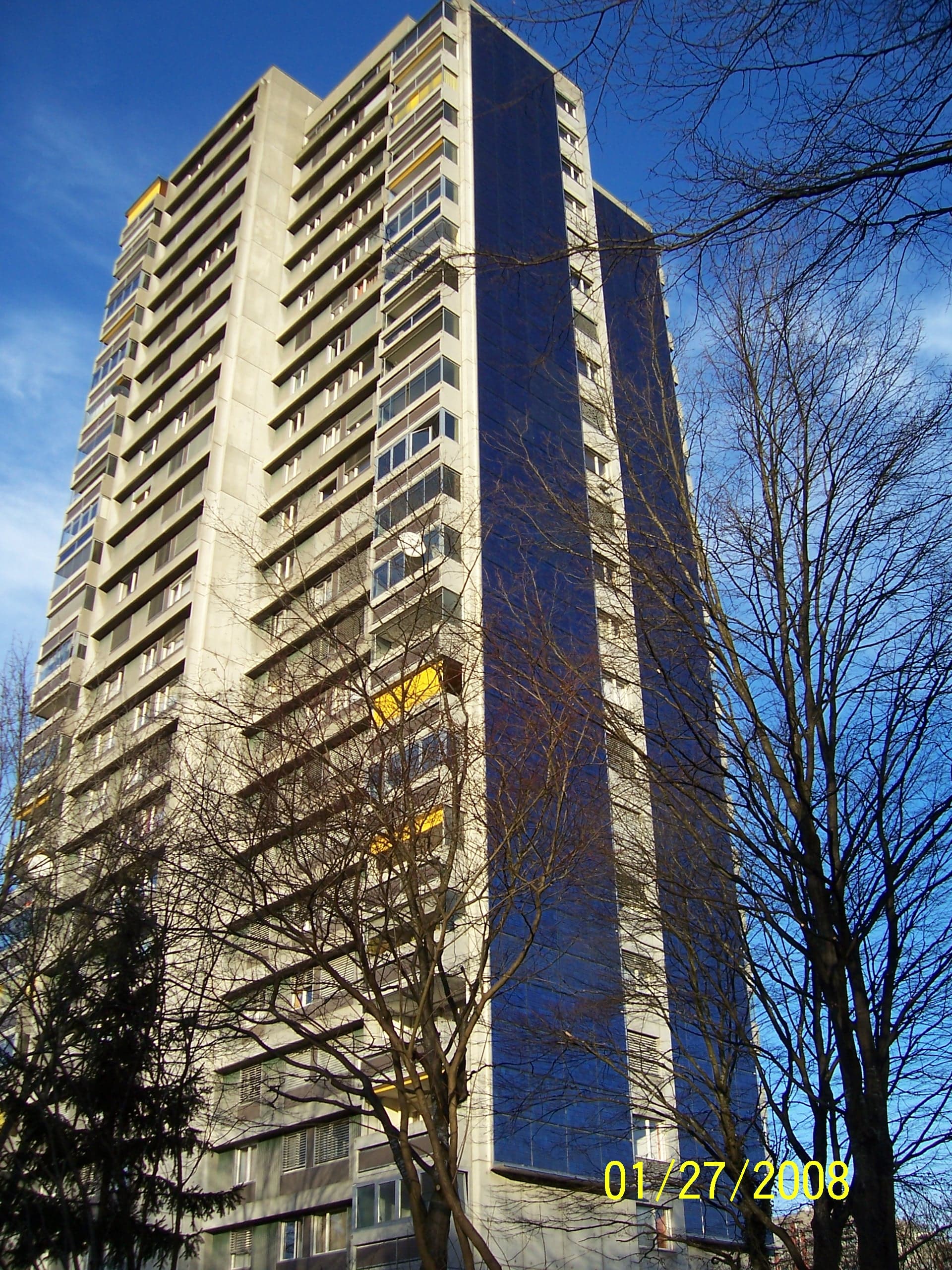
Include different consumption patterns and shared building areas in the system design.
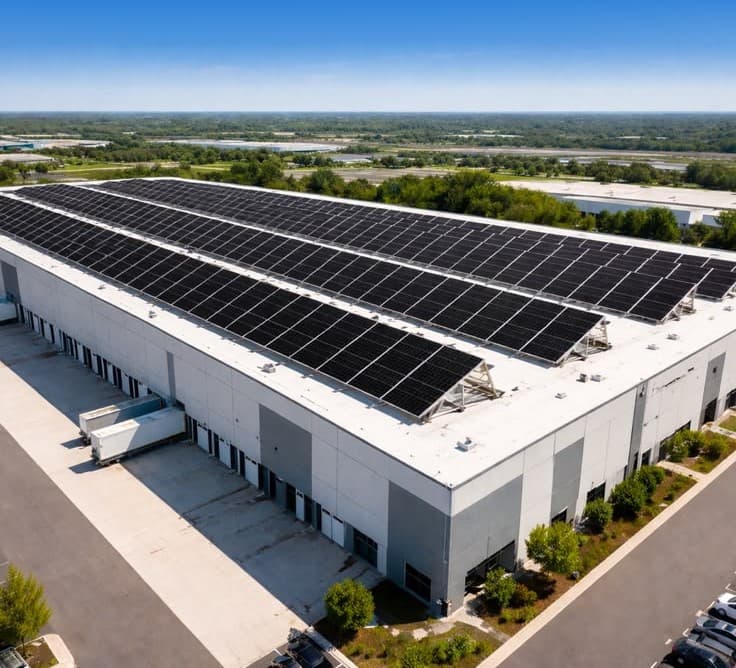
Account for larger roof areas and the varied electricity demand of commercial or agricultural operations.
How we work
Every project progresses step by step, from assessing your building to commissioning a solution tailored to your needs.

Review the building, roof space, existing systems and electricity consumption.
Clarify current usage and future energy requirements together.
Coordinate photovoltaics, potential storage, the heat pump and energy management.
Assess investment, expected use and running costs together.
Agree the next steps and support the project through to implementation.
Funding & guidance
We help you navigate potential funding and financing questions and support your energy project. The options are assessed for your specific plans.
Technical design, investment and usage provide the basis for assessing the project’s economics.
Potential support is reviewed for the individual project. Specific schemes, conditions and availability must be checked at the time of planning.
We discuss open questions and the information needed to take the design forward.
Our renovation site shows before-and-after photographs of a facade in Schwegenheim. This is a renovation reference, not evidence of a heat pump or PV installation at that property. No energy performance figures or measured savings are published for this project.
View the facade project photographsFrequently asked questions
KSPH plans photovoltaics as part of a complete energy system. The building, electricity demand, potential storage, heat pump and energy management are considered together.
No. The value of storage depends on generation, consumption patterns and the economics, among other factors. A system without storage can also be appropriate.
Yes. If it is part of your project, its electricity demand is included in the design. We also account for seasonal differences between solar generation and heating needs.
Details about your building and roof, current electricity consumption and planned changes such as a heat pump are useful. Together, we identify any additional information needed.
Our planning does not rely on blanket promises. Project economics and possible funding are assessed for your specific situation.
We compare driving patterns and charging times with generation. Surplus charging requires compatible measurement and controls. A charger can also use grid electricity; PV capacity alone does not determine its design.
No. Flexible consumption, metering costs, contract terms and price risk matter. A negative wholesale price does not automatically mean a negative final bill. We compare scenarios rather than guarantee savings.
No. The tariff concerns energy supply; Germany’s § 14a concerns certain controllable loads and network charges. Both may affect planning, but require separate checks with the supplier, grid operator and installer.
PV output alone is insufficient. We assess evening consumption, load profile, heating, EV charging, usable capacity and charging power. Extra capacity needs a clear benefit. A battery is not seasonal storage.
Not automatically. Backup power needs suitable components, switching arrangements and qualified installation. The circuits supplied and available power require separate design.
This requires an assessment of the existing installation and connection conditions. The electrician and grid operator check metering, protection, space and connection power. Necessary work must be clearly included in the project scope.
If roof work is foreseeable, we coordinate the sequence. Condition, load-bearing capacity and cable routes are checked to avoid removing a recently installed array for roof repairs.
Your project starts with a conversation
Photovoltaics, storage or a heat pump: together, we identify a solution that fits your building, electricity use and goals.
Plan your photovoltaic installation in Römerberg or Speyer with KSPH, combining solar generation, self-consumption and storage.


